

Electric vehicle (EV) adoption is accelerating globally, and one of the most common questions from new and prospective EV owners is: "How long does a 7kW charger take to charge my car?"
7kW home chargers are among the most popular charging solutions, offering a balance between speed, affordability, and practicality. In this in-depth guide, we’ll break down charging times for different EVs, factors that affect charging speed, and how a 7kW charger compares to other options like 3.6kW, 11kW, and rapid DC chargers.
Understanding 7kW Chargers
A 7kW charger is a Level 2 AC charger, typically used for home or workplace charging. Unlike slower 3.6kW chargers (which run on a standard 16A circuit) or ultra-fast 50kW+ DC chargers, a 7kW charger provides a good middle ground—fast enough for overnight charging but without requiring expensive electrical upgrades in most homes.
Key Features of a 7kW EV Charger:
- Power Output: 7,000 watts (32A on a single-phase 240V supply)
- Typical Charging Speed: 20-30 miles of range per hour
- Best For: Overnight charging, home installations, workplaces
- Popular Models:
- Tesla Wall Connector (with adjustable power settings)
- Zappi Smart Charger (solar-compatible, trending in Google searches)
- Ohme Home Pro (dynamic load balancing, a hot topic in 2024)
- Wallbox Pulsar Plus (Wi-Fi-enabled, frequently searched for its compact design)
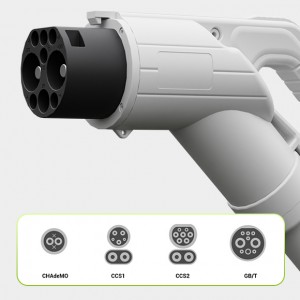
How Long Does a 7kW Charger Take to Charge an EV?
The exact charging time depends on:
- Battery size (kWh)
- Current battery level (%)
- Charging losses (~10% due to heat and conversion inefficiencies)
- Onboard charger limitations (some EVs can’t accept the full 7kW)
Charging Time Estimates for Popular EVs
| EV Model | Battery Size | 0-100% Charge Time (7kW) | Miles Added Per Hour |
|---|---|---|---|
| Tesla Model 3 RWD | 57.5 kWh | ~8-9 hours | ~25-30 miles |
| Nissan Leaf (40kWh) | 40 kWh | ~6 hours | ~20-25 miles |
| Ford Mustang Mach-E (Standard) | 68 kWh | ~10 hours | ~20-25 miles |
| Hyundai Kona Electric | 64 kWh | ~9-10 hours | ~25 miles |
| Volkswagen ID.4 | 77 kWh | ~11-12 hours | ~20-25 miles |
| BMW i4 eDrive40 | 83.9 kWh | ~12-13 hours | ~25 miles |
Real-World Example: Tesla Model Y (75kWh Battery)
- From 20% to 80% (45kWh needed): ~6.5 hours
- From 0% to 100%: ~11 hours (accounting for charging slowdown above 80%)
Why a 7kW Charger Is the Sweet Spot for Home Charging
1. Faster Than a 3-Pin Plug (Level 1 Charging)
- A standard UK 3-pin plug (2.3kW) takes 24+ hours for a full charge.
- A 7kW charger cuts that time by 70%, making overnight charging practical.
2. More Affordable Than 22kW Chargers
- Many homes can’t support three-phase power (required for 11kW/22kW chargers) without costly upgrades.
- A 7kW charger works on single-phase 240V, which is standard in most houses.
3. Optimal for Solar & Off-Peak Charging
- With smart chargers like Zappi or Ohme, you can schedule charging during cheaper off-peak hours (e.g., Octopus Go’s 7.5p/kWh rates).
- Solar-compatible chargers can prioritize free solar energy when available.
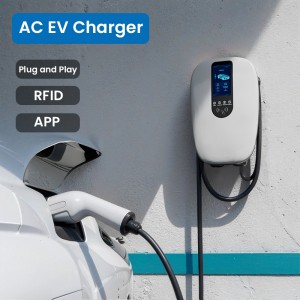
Final Answer: How Long Does a 7kW Charger Take?
✅ For most EVs (60-80kWh battery), a 7kW charger takes 8-12 hours for a full charge (0-100%).
✅ For daily use, charging from 20% to 80% takes ~5-7 hours—perfect for overnight charging.
✅ It’s the best choice for home charging, balancing speed, cost, and practicality.
If you’re considering a home charger, a 7kW smart charger (like Ohme or Wallbox) with off-peak scheduling will give you the fastest, cheapest, and most convenient charging experience.
Want the fastest charge? Unless you have three-phase power, 7kW is your best bet. For long trips, use public rapid chargers (50kW+) when needed.
Would you like recommendations for the best 7kW chargers in your region? Let us know in the comments!
If want to know more about this, please feel free to contact us.
Tel: +86 19113245382 (whatsAPP, wechat)
Email: sale04@cngreenscience.com
Post time: Jun-24-2025


